15 Places Where Alcohol Sale, Consumption Is Now Banned In Kenya, Including Supermarkets, Restaurants
Under the new directives, several modes of alcohol sale will no longer be allowed, some targeting the most common channels.
 Marvin Chege
Kenyans fond of consuming alcohol wherever they are will now find it very difficult to do so after the National Authority for the Campaign Against Alcohol and Drug Abuse (NACADA) announced sweeping regulations targeting the sale and consumption of alcohol in the country.
The government agency has outlined a comprehensive list of prohibited areas and methods for the sale and consumption of alcohol, as part of new efforts to tighten regulations around access and use, through NACADA's National Policy for The Prevention, Management & Control of Alcohol, Drugs & Substance Abuse released on Wednesday, July 30.
Under the new directives, several modes of alcohol sale will no longer be allowed, some targeting the most common channels. These include vending machines, hawking, online platforms, and home deliveries or courier services.
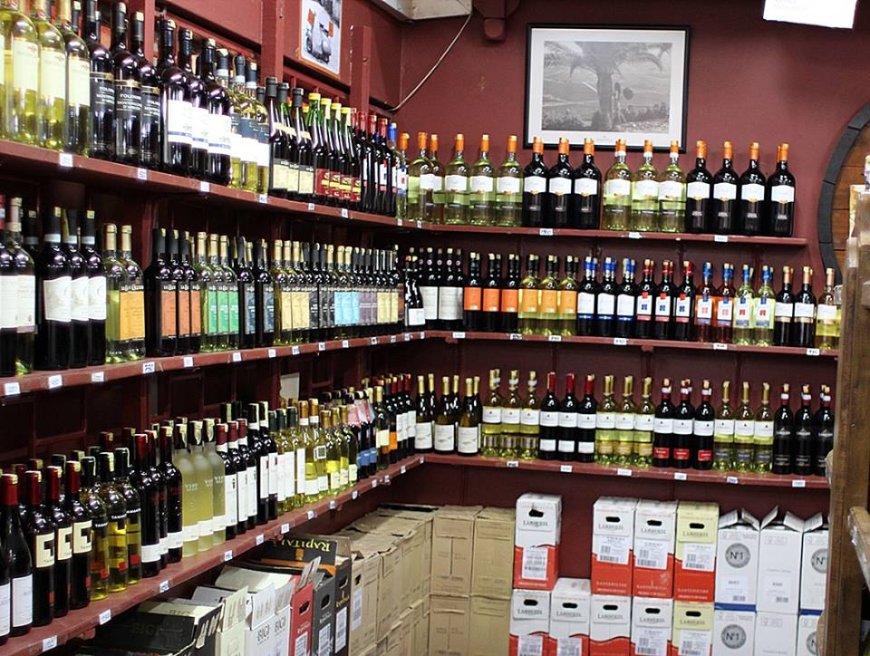
Surprisingly, the sale of alcohol in supermarkets has also been banned, along with outlets associated with children, such as toy shops. Residential premises and restaurants have been listed as prohibited venues, as well as educational institutions across all levels—basic, tertiary, and higher learning.

National Authority for the Campaign Against Alcohol and Drug Abuse CEO Anthony Omerikwa during the NACADA strategic plan launch 2023-2027 on June 19, 2024. /PHOTO
In addition to restricting how alcohol is sold, the government has also banned sales in specific public spaces. These include public beaches, parks, amusement parks, recreational facilities, medical and sports facilities, bus parks, bus stops, petrol stations, railway stations, and along highways. Public transport vehicles, trains, ferry stations, and piers are also covered under the ban.
When it comes to consumption, similar restrictions apply. Alcohol consumption is now prohibited in public areas such as beaches, parks, amusement venues, healthcare centers, sports facilities, and all forms of public transportation hubs. The ban extends to restaurants, dining sections of members’ clubs and hotels, and all educational institutions.
These sweeping changes signal a major shift in alcohol control policy and are expected to have significant implications for retailers, consumers, and enforcement agencies alike.
The policy brings a major shift to Kenya’s legal drinking age, increasing it from 18 to 21 years. This change brings the country in line with regulations seen in few superpower countries like the United States (US), while breaking away from the norms followed by many other African nations.
Under the new rules, individuals under 21 are barred from entering venues that sell alcohol, even if accompanied by adults.
Additionally, the regulations crack down on modern advertising tactics by banning social media influencers, celebrities, entertainers, athletes, and media figures from endorsing, promoting, or advertising alcohol, drugs, and other controlled substances.
The restriction highlights increasing global concern over how social media marketing influences youth consumption habits.
The broad scope of the new regulations signals a major policy pivot toward prioritizing public health. It likely reflects the government’s rising unease over alcohol-related health risks and social challenges.
Implications
Despite the intended benefits, these changes are expected to face strong opposition from key sectors, including retailers, the hospitality industry, and consumers.
On the matter of banning celebrity endorsements, the policy was not taken lying down by a section of creatives, with Bien Aime, a once popular member of the Sauti Sol band, accusing the authority of misuse of morality.
"NACADA now proposes banning alcohol advertising, online sales and wants to change the legal drinking age to 21. The government recently banned advertising of betting.
“These bans affect the creative and advertising industries heavily. What is this fake morality? Pretending to care about the very youth they are killing. Are we the first country to have these vices? Then you wonder why unemployment is so rampant,” Bien wrote on his Instagram stories earlier in July.
However, NACADA in its statement argued that it was regulating access and exposure, especially where it blurs the line between lifestyle and addiction, a defence that did nothing to contain the uproar from members of the public on social media.
Additionally, supermarket chains, long-standing players in alcohol retail, may be forced to overhaul their operations and could suffer significant revenue losses. Similarly, restaurants and hotels could see declining profit margins, as alcohol sales generally yield higher profits than food.
The online alcohol delivery market—especially thriving in urban hubs like Nairobi, Mombasa, and Kisumu—is set to be wiped out entirely under the new restrictions. The new rules are expected to hit tech-driven platforms especially hard, as many had structured their operations around the ease and efficiency of alcohol delivery services.
For urban consumers accustomed to buying alcohol from supermarkets or using home delivery, the changes will demand a major shift in habits. The restrictions are likely to redirect sales toward traditional bars and licensed outlets, which could lead to higher prices and reduced convenience.
Implementing and enforcing these regulations will require considerable government effort and coordination, involving NACADA, local governments, and law enforcement.
There are lingering concerns over how effectively such widespread restrictions can be monitored across Kenya’s varied retail environment. Analysts also predict potential legal battles from businesses affected by the regulations. Additionally, the policy could reduce tax revenues from alcohol sales.
Both the retail and hospitality industries are expected to push back, especially against the ban on alcohol sales in supermarkets and the limitations placed on restaurants.