Why Kenyan Motorists Are Switching Their Cars From Petrol to LPG
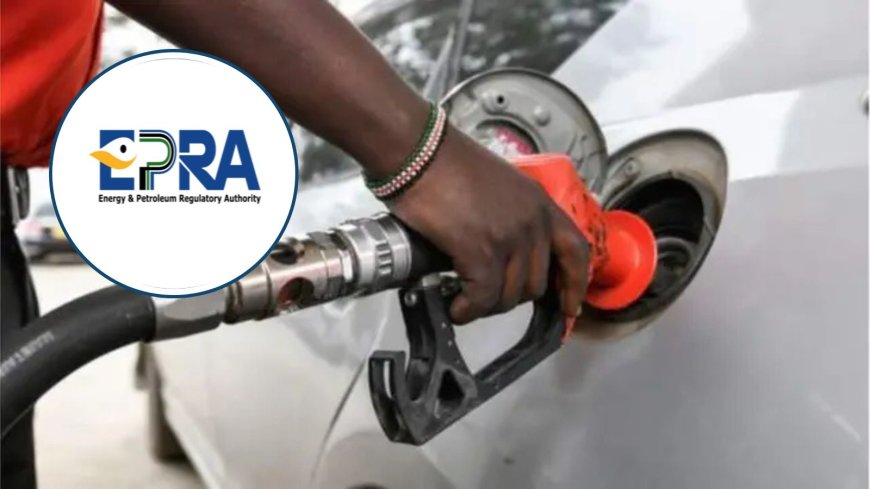
A quiet revolution is unfolding at some of Nairobi’s busiest petrol stations, powered by Liquefied Petroleum Gas (LPG) as motorists, who include taxi drivers, come up with ways to keep the cost of transport down.
 Marvin Chege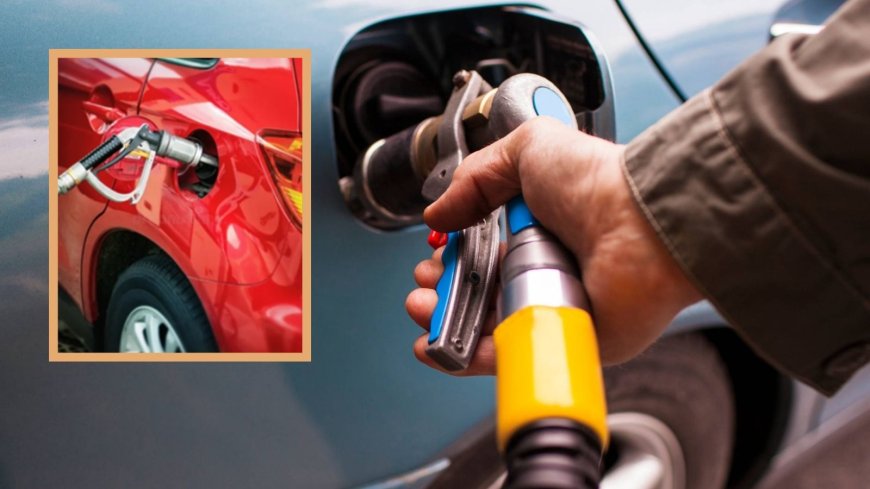
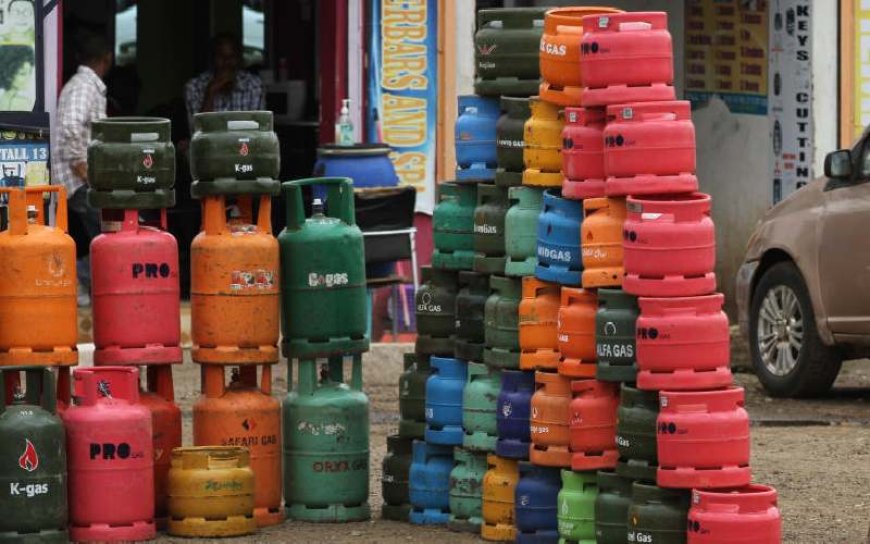
Imagine a car running on...not fuel...but gas. You read it right...gas! The very same thing used in a lot of homes for cooking and heating is an alternative source of fuel for vehicles, as the cost of petroleum fuel keeps rising.
A quiet revolution is unfolding at some of Nairobi’s busiest petrol stations, powered by Liquefied Petroleum Gas (LPG) as motorists, who include taxi drivers, come up with ways to keep the cost of transport down. The catch is, LPG right now is relatively cheaper than even Kerosene.
In a first-of-its-kind initiative, Proto Energy’s OTO Gas on Wednesday, January 14, partnered with OLA Energy to roll out special LPG pumps at selected stations, starting with the Buruburu outlet. The collaboration aims to make LPG, or Autogas, when used in vehicles, more accessible to everyday drivers and commercial fleet operators alike.
1. Cost Savings That Hit the Wallet
For many motorists, the primary attraction of LPG is financial. Vehicles converted to run on LPG alongside petrol—known as dual-fuel vehicles—can switch seamlessly between the two. This flexibility allows drivers to take advantage of lower LPG prices, cutting fuel costs significantly.
According to industry sources, some users report savings of up to 30 percent compared to petrol, a benefit that is particularly appealing to ride-hailing drivers, delivery fleets, and logistics companies.
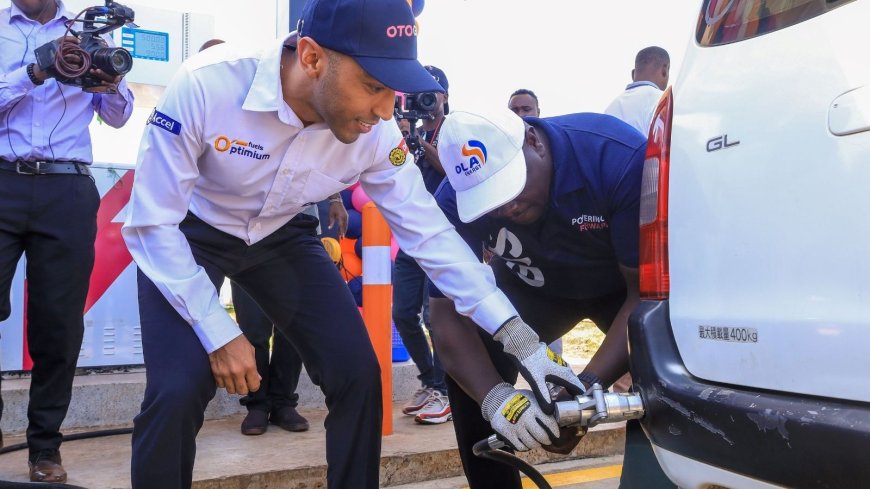
Mohamed Elhoderi (L), Managing Director, OLA Energy, and Joel Kamau, Chief Executive Officer, Proto Energy, fuel a vehicle with LPG at the OLA Energy Buru Buru station during the official launch of OTO Gas LPG pumps at OLA filling stations on January 14, 2026. /VIRAL TEA KE
Joel Kamau, Managing Director of Proto Energy, noted that the switch is not just environmentally responsible but also economically smart for motorists.
2. Cleaner Air, Healthier Cities
Environmental considerations are also driving the shift. Transport accounts for an estimated 40 to 45 percent of urban air pollution in cities such as Nairobi.
Petrol and diesel engines emit particulate matter and carbon dioxide that contribute to smog and respiratory health issues. LPG, however, burns cleaner, producing up to 20 percent less CO₂ than petrol while significantly reducing particulate emissions compared to diesel.
Mohamed Elhoderi, Managing Director of OLA Energy, emphasized that co-locating LPG pumps at existing stations makes it easier for drivers to adopt a fuel that benefits both the environment and public health.
3. Convenience Meets Innovation
Accessibility has historically been a barrier to alternative fuels. Drivers seeking LPG had to locate specialized refueling stations, often far from their usual routes. The partnership between Proto Energy and OLA Energy thus addresses this challenge by integrating LPG pumps into existing petrol stations, allowing motorists to refill alongside petrol or diesel.
Kamau described the move as a practical step toward mainstreaming Autogas in Kenya, making it a realistic option for daily use rather than a niche solution.
4. Government Backing and Growing Trust
The adoption of Autogas is further supported by government policy. Kenya’s National LPG Growth Strategy aims to increase LPG penetration to 70 percent by 2028, covering both household and transport use. This policy framework gives motorists confidence that LPG is a secure and regulated fuel choice.
The widespread use of LPG for cooking, already present in roughly one-third of Kenyan households, also builds trust in its safety and reliability as a transport fuel.
5. Ideal for All Kinds of Vehicles
Autogas can serve a wide range of vehicles, from private cars to taxis, delivery vans, and commercial fleets. Dual-fuel systems allow motorists to switch between petrol and LPG depending on price or availability.
For fleet operators, LPG offers not only cost savings but also an opportunity to project a green and sustainable image—a growing consideration for businesses and ride-hailing platforms.
6. The Future Looks Green…and Practical
The Buruburu launch is the first in a planned multi-site rollout, with additional stations expected across Nairobi and other urban centres.
Industry analysts view LPG as a transitional fuel that bridges conventional petrol and diesel with cleaner alternatives, including electric mobility. Unlike other green technologies, LPG is immediately available, affordable, and compatible with existing vehicles, making it a practical choice for both private motorists and businesses.
Why Drivers Are Taking the Leap
The growing adoption of LPG among Kenyan motorists can be attributed to three main factors: cost savings, environmental benefits, and convenience. Lower fuel costs, reduced emissions, and easy access through established petrol stations have made Autogas an increasingly attractive option.
According to Kamau, “Our goal has always been to make cleaner, more affordable energy solutions practical and accessible, and this launch demonstrates that LPG is no longer a niche option but a viable, scalable fuel for Kenya’s mobility needs.”
For Nairobi drivers and fleet operators, switching to Autogas is emerging not just as a choice, but as a practical, economically sound, and environmentally responsible way to fuel vehicles in 2026 and beyond.


![Features Of Elsa Majimbo's Ksh8 Million Tesla Car [PHOTOS]](https://viraltea.co.ke/uploads/images/2022/11/image_380x226_6380a4c8eb73d.jpg)
![Inside CJ Koome's New Ksh23M Toyota Land Cruiser Sports Car [PHOTOS]](https://viraltea.co.ke/uploads/images/2023/06/image_380x226_647878e8a0e45.jpg)

![Ruto Drives Self To KICC In Electric Car [VIDEO]](https://viraltea.co.ke/uploads/images/2023/09/image_380x226_64f47c7ba4316.jpg)