The government is still weighing a proposal to raise the tax-free income threshold for Pay As You Earn (PAYE) from Ksh24,000 to Ksh30,000, Treasury Cabinet Secretary John Mbadi has announced.
Speaking during a briefing on the Finance Bill 2026 on Monday, May 11, Mbadi moved to address growing concerns over several proposals in the bill, including claims that the government had abandoned plans to ease the tax burden on low-income earners.
One of the biggest concerns centred on the absence of promised PAYE tax cuts for salaried Kenyans earning below Ksh50,000, despite earlier assurances from the Treasury.
Mbadi, however, maintained that the proposal had not been dropped and was still under active review ahead of the bill’s approval by Parliament.

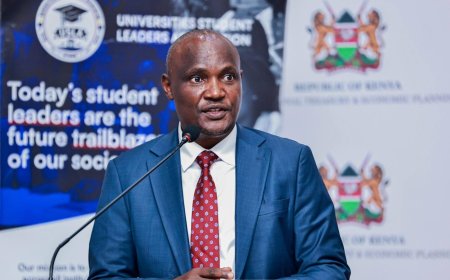
CS John Mbadi speaking during a courtesy call by the Swedish Ambassador to Kenya, Håkan Åkesson on November 5, 2025. /JOHN MBADI
“Before the public participation process ends, we will make a decision. Before June 30 and before the Finance Bill is passed, the government is likely to propose amendments to align PAYE with our earlier proposal to increase the tax-free income threshold from KSh24,000 to KSh30,000 per month. So the proposal is still on the table,” Mbadi stated.
The CS explained that the Treasury was still conducting simulations to assess the economic impact of the reforms before making a final decision.
According to Mbadi, preliminary estimates indicate that increasing the tax-free threshold could create an annual revenue gap of about Ksh35 billion.
“We have not dropped the issue of PAYE. What my team is currently doing is running simulations. The initial simulation shows we could lose about Ksh35 billion in revenue annually, so we are reviewing the broader economic situation.
"We are looking at the economic situation as it is and the impact of the personal income tax reforms we have carried out at the Kenya Revenue Authority,” he added.
His remarks follow criticism from a section of Kenyans after the Finance Bill 2026 failed to include the anticipated PAYE relief measures, sparking fears that the reforms had quietly been shelved.
Earlier proposals by the Treasury had suggested scrapping PAYE entirely for workers earning below Ksh30,000, while employees earning under Ksh50,000 would benefit from reduced tax rates.
The omission of the measures from the current Finance Bill triggered backlash, especially among low-income earners already grappling with multiple statutory deductions.
At the moment, salaried Kenyans continue to shoulder deductions including PAYE, National Social Security Fund (NSSF) contributions, Social Health Authority (SHA) deductions, and the housing levy.
Mbadi has previously argued that the current taxation structure has placed a heavy burden on low-income workers and slowed economic activity at the grassroots.
While addressing residents at Kiambu National Polytechnic earlier this year, the CS disclosed that President William Ruto had backed plans to introduce tax relief for Kenyans earning below Ksh30,000 following consultations with the Treasury.
Mbadi maintained that continued taxation of low-income earners was leaving many households struggling to survive after mandatory deductions.
"How can the government continue to demand taxes on people earning Ksh30,000 and yet these people are required to pay their rent, transport, and other family expenses? You find that people are left with nothing," Mbadi said.
If approved before the Finance Bill is passed, the proposed changes would offer relief to thousands of salaried workers ahead of the next financial year.