Matatu Operators Hike Fares By 50%, Announce Strike On Monday Over High Fuel Prices
The revised fares are expected to take effect immediately across Nairobi and other towns.
 Viral Tea Ke Writer
Commuters across the country are set to dig deeper into their pockets after Public Service Vehicle (PSV) operators announced a 50 per cent fare increase following the latest fuel price hike by the Energy and Petroleum Regulatory Authority (EPRA).
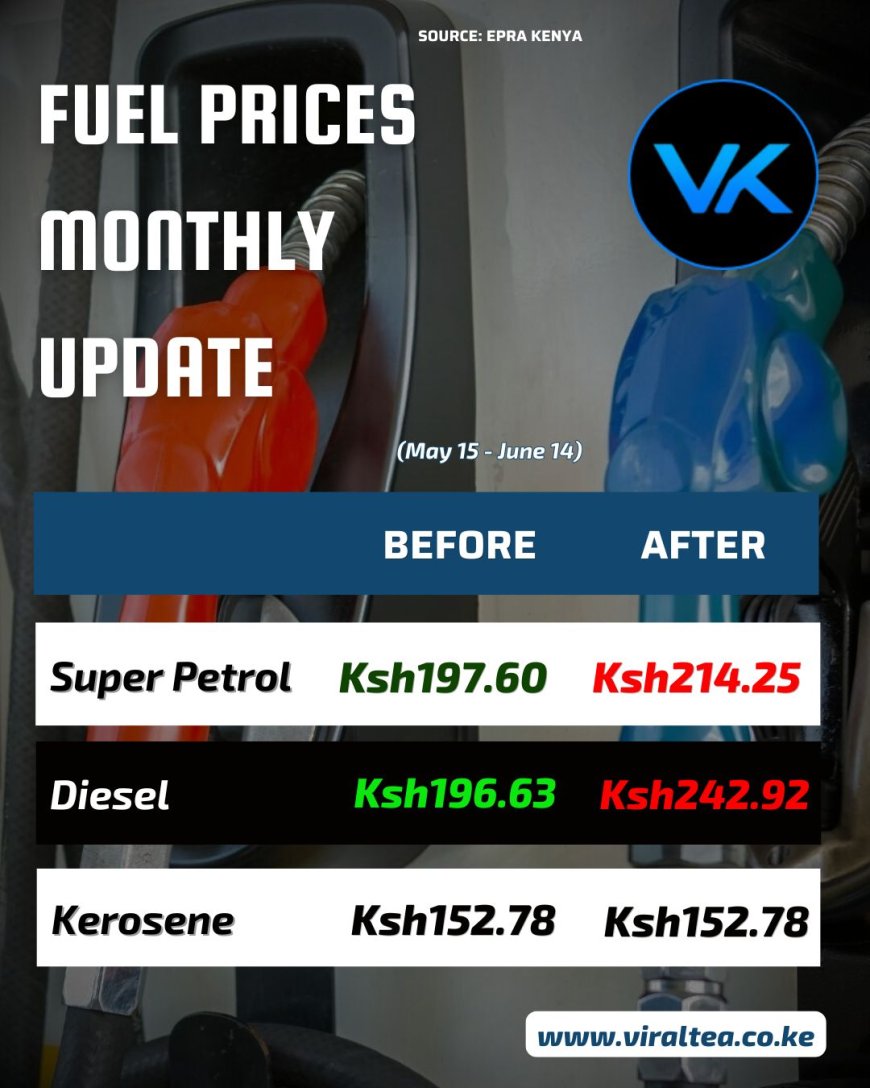
The operators announced on Friday, May 15, just hours after EPRA raised the price of super petrol by Ksh16.65 per litre and diesel by Ksh46.29 per litre, while keeping kerosene prices unchanged.
Speaking during a press briefing, representatives from the transport sector argued that the sharp rise in fuel costs had drastically increased operational expenses, making it impossible for matatu operators to maintain current fare charges.
According to the operators, the revised fares are expected to take effect immediately across Nairobi and other towns.
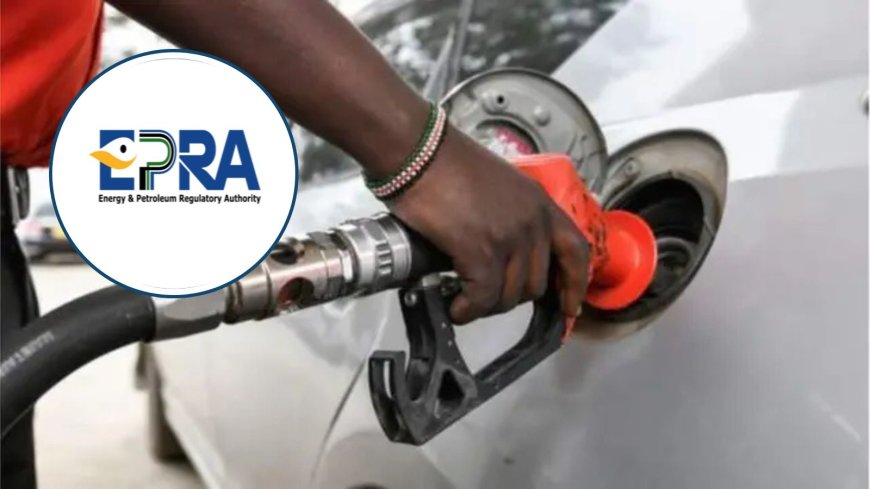
A man fueling a car at a petrol station and EPRA's logo inset. /BBC.EPRA
Under the new rates, commuters who previously paid Ksh100 for a trip could now pay as much as Ksh150 following the 50 per cent increment.
The operators also declared a nationwide PSV strike beginning Monday, May 18, protesting the rising fuel prices and what they described as the government’s failure to address their concerns.
“On Monday, there will be strictly no movement of any vehicles. All the roads will be blocked until the government listens to our cry because we had been promised, but the promises did not come to fruition,” stated Albert Karakacha, a representative of the matatu association.
“We are also urging all our investors in the public transport that, effective immediately, we are increasing our fares by 50 per cent,” he added.
Karakacha maintained that the fare hikes would remain in force until the government intervenes to lower fuel prices, warning that the transport sector can no longer absorb the increasing operational costs.
The planned strike is expected to disrupt transport services in major towns across the country, with PSV operators urging motorists and stakeholders in the transport industry to support their push against rising fuel costs.
CS Wandayi Defends High Fuel Prices
The developments came as Energy and Petroleum Cabinet Secretary Opiyo Wandayi defended the latest fuel price adjustments, attributing them to instability in the global oil market caused by escalating geopolitical tensions in the Middle East.
In a statement issued on Friday, Wandayi explained that the ongoing tensions had disrupted global energy markets, resulting in higher crude oil prices as well as increased freight and supply chain costs. “The continued geopolitical tensions in the region have disrupted global energy markets, leading to a sharp increase in international crude oil prices and elevated freight and supply chain costs,” Wandayi stated.
The CS noted that Kenya, like many countries that depend on imported petroleum products, remains vulnerable to fluctuations in the international oil market.
He insisted that the increase in local fuel prices reflected prevailing global market conditions, exchange-rate pressures, and higher supply chain costs.
According to the ministry, the landed cost of imported super petrol increased from Ksh106,242.99 per cubic metre in March 2026 to Ksh116,948.98 per cubic metre in April 2026, marking a 10 per cent rise. Diesel recorded an even steeper increase, with landed costs jumping by 20.32 per cent from Ksh138,576.47 per cubic metre to Ksh166,730.02 per cubic metre over the same period.
Despite the increases, Wandayi revealed that the government had spent Ksh5 billion during the latest review cycle to cushion consumers from the full impact of the price surge, particularly for diesel and kerosene.
He also defended the Government-to-Government fuel importation arrangement, arguing that it had protected Kenya from even higher global freight and petroleum premium charges.
At the same time, the CS assured Kenyans that the country currently has sufficient petroleum stocks and that the government was closely monitoring developments in the global oil market while engaging stakeholders in the energy, transport, manufacturing, and business sectors to find sustainable solutions to the rising fuel costs.