EPRA Goes After Oil Marketers Accused Of Creating Fuel Shortages & Price Hikes
The regulator indicated it had received intelligence suggesting that some marketers were intentionally stockpiling fuel and limiting supply to independent retailers
 Vantage Ke Writer


The Energy and Petroleum Regulatory Authority (EPRA) has launched a crackdown on oil marketing firms accused of engineering an artificial fuel shortage and inflating prices, even as official data shows the country has sufficient petroleum stocks.
In a directive issued on Wednesday, April 8, the regulator indicated it had received intelligence suggesting that some marketers were intentionally stockpiling fuel and limiting supply to independent retailers in anticipation of a price hike.


EPRA disclosed that preliminary findings point to certain Oil Marketing Companies (OMCs) withholding products from non-franchised dealers, describing the practice as illegal and punishable under the Petroleum Act.
The authority also flagged cases where firms were charging ex-depot or wholesale prices above the regulated caps, worsening the supply crunch being felt nationwide.
“This practice is tantamount to hoarding and is an offence under Section 99(1)(k) of the Petroleum Act No. 2 of 2019 (Cap 308). Further, EPRA has found out that a number of OMCS are charging ex-depot or wholesale prices higher than the recommended caps, which is also an offence under Section 99 (1)(n) of the Petroleum Act,” read part of the letter signed by EPRA acting DG Engineer Joseph Oketch.
EPRA warned that companies found hoarding petroleum products face penalties including fines starting at Ksh1 million, a minimum one-year jail term, or both.
Those found selling fuel above approved wholesale prices risk harsher sanctions, including fines of at least Ksh10 million or imprisonment of up to five years.
The regulator further signalled it could revoke licences of firms engaging in illegal practices, underscoring a firm enforcement stance.
The move comes as motorists across the country contend with a deepening fuel shortage, with long queues forming at filling stations amid shrinking supplies.
In Nairobi, most stations remain open, but operators caution that stocks could be depleted within days as deliveries slow and panic buying surges.
The situation is more difficult in regions such as Nyamira and Kericho, where several outlets have shut down while others operate on critically low reserves, forcing motorists to travel long distances in search of fuel.


Some stations have limited sales to high-octane fuel priced close to Ksh200 per litre—well above standard pump rates—fueling public outrage.
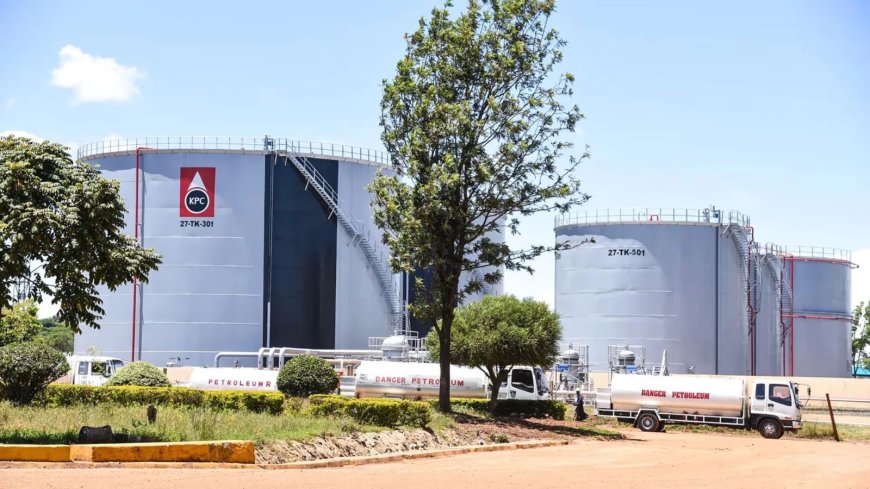
Despite the disruption, the Kenya Pipeline Company (KPC) maintains that the country holds adequate fuel reserves, dismissing claims of a nationwide shortage.
KPC stated that its depots and terminals remain fully stocked, with ample volumes of petrol, diesel, and jet fuel available to meet both current and projected demand.