KeNHA To Arrest These Drivers In Traffic Update Ahead Of WRC Safari Rally
The advisory comes as authorities prepare for increased traffic linked to the Safari Rally scheduled to run from March 12 to March 15, 2026.
 Viral Tea Ke Writer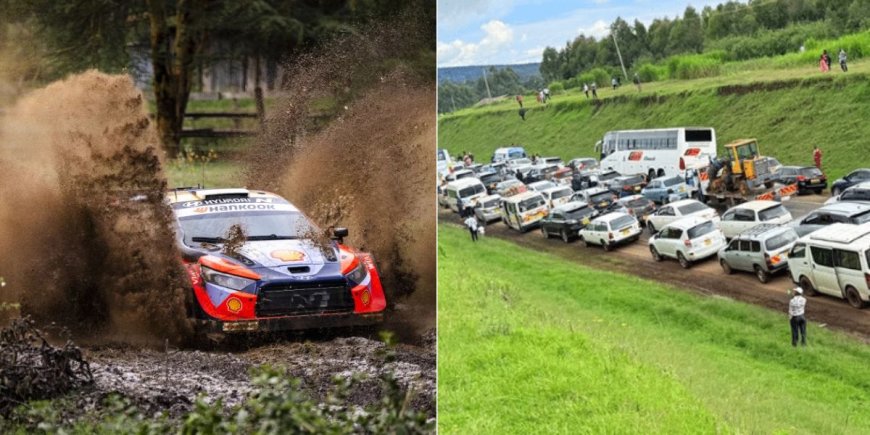
The Kenya National Highways Authority (KeNHA) has warned that truck drivers who illegally park along the busy Nairobi–Nakuru Highway risk immediate arrest ahead of the heavy traffic expected this weekend.
In a traffic advisory issued on Wednesday, March 11, the agency cautioned truck drivers against stopping or parking at undesignated spots along the highway, warning that anyone found flouting the directive will face arrest.
The advisory comes as authorities prepare for increased traffic linked to the Safari Rally scheduled to run from March 12 to March 15, 2026.
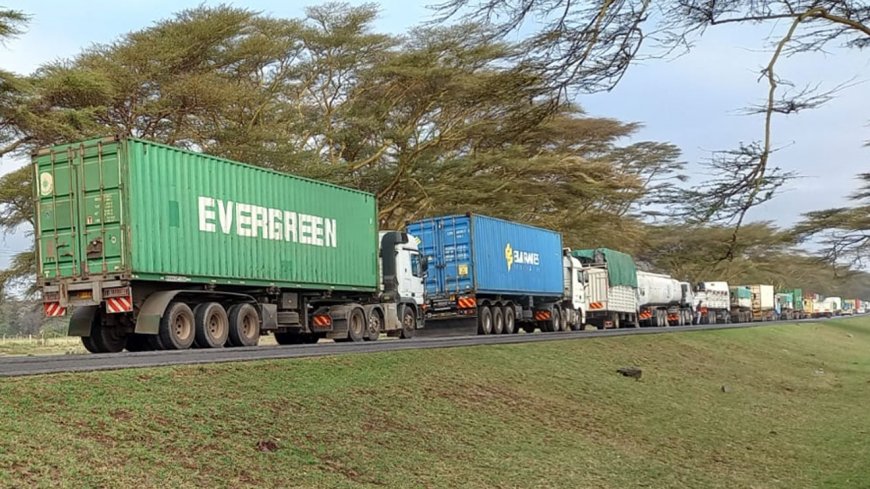
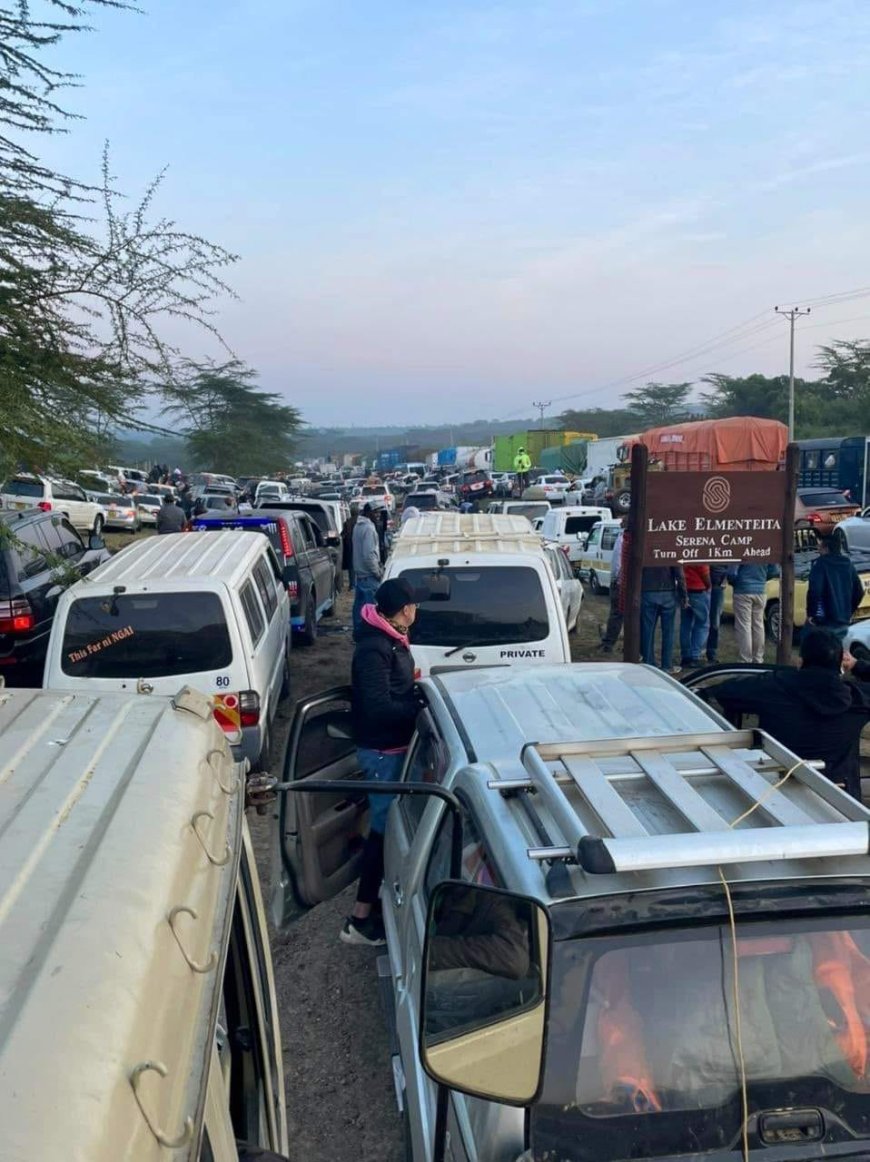
Trucks in traffic along the Nairobi-Nakuru Highway. /NAIROBI NEWS
To help reduce congestion, KeNHA outlined several alternative routes for motorists travelling to Nakuru and Lanet.
For those preferring a scenic drive, motorists can use the Nairobi–Rironi–Flyover (Magumu)–Njambini–Ol Kalou–Dundori–Lanet route. Adventure-seeking drivers have been advised to take the Nairobi–Rironi–Naivasha–Engineer–Ol Kalou–Dundori–Lanet route.
Motorists may also opt for the Nairobi–Ngong–Suswa–Narok–Nakuru road, which the agency described as a shorter alternative route.
Traffic along the Nairobi–Naivasha section of the highway is frequently disrupted by accidents involving heavy trucks, which often block the single-carriageway and trigger lengthy traffic jams stretching for kilometres.
Congestion is also worsened near the Gilgil Weighbridge where trucks slow down or stop for inspections, creating bottlenecks that quickly spread to nearby sections.
Authorities further blame reckless driving habits such as lane overlapping and poor road discipline among motorists—especially truck drivers—for blocking oncoming traffic and intensifying congestion.
Heavy rains that flood sections near Suswa, coupled with increased travel during major events like the Safari Rally, continue to strain the highway’s limited capacity.