Ndindi Nyoro Claims His Plan Can Lower Fuel Prices by Ksh27 Per Litre
The legislator laid out a detailed plan claiming it could slash pump prices by as much as Ksh27 per litre immediately
 Marvin Chege
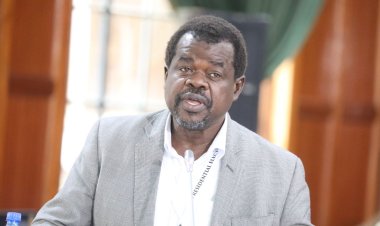
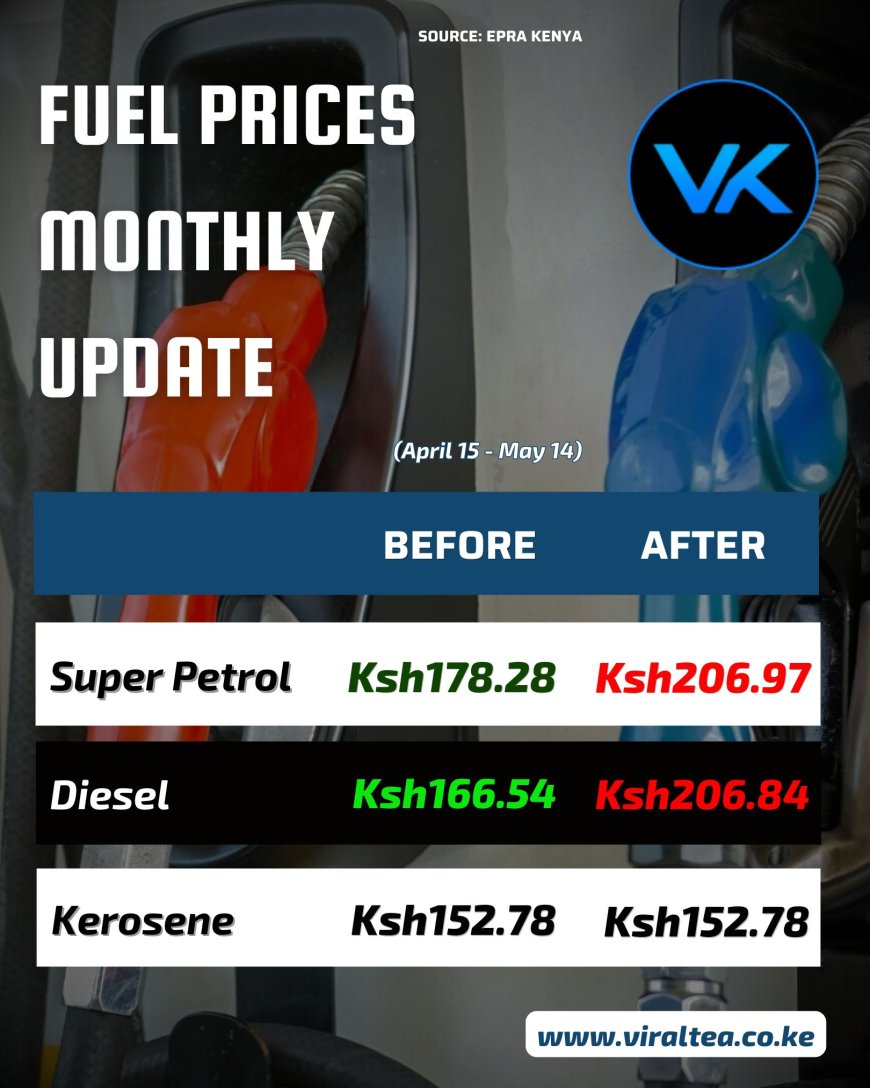
Kiharu Member of Parliament (MP) Ndindi Nyoro has taken aim at the government over the recent spike in fuel prices, accusing it of failing to take firm action to shield Kenyans from the impact.
In a statement released on Wednesday, April 15, the legislator laid out a detailed plan claiming it could slash pump prices by as much as Ksh27 per litre immediately, further maintaining that the fuel crisis has been worsening for months without any meaningful response from the administration.
He warned that poor communication on how fuel prices are structured could disrupt the supply chain, with dealers potentially hoarding fuel due to uncertainty.
"It has been let bare and apparent that the Government has never been keen or committed to providing a solution to the crisis that has been imminent since the end of February. The drastic increment in fuel prices is unacceptable; a more humane variation must be made by reducing the pump prices now," he said.
"Failure of the government to communicate clearly about the composition of the pricing may likely lead to supply chain hoarding, as dealers are not sure who is paying how much and for what?"
Nyoro urged the use of subsidies and tax reforms, arguing that the Fuel Stabilisation Fund has enough capacity to ease pressure on consumers if properly deployed. "The amount given for subsidies is too little. The Fuel Stabilisation Fund has around Ksh20 billion. The government must commit at least Ksh10 billion into subsidies in the month up to May 14th," he continued.
He also dismissed recent VAT adjustments as inadequate, pushing for a rollback of taxes and even temporary exemption on fuel products.
"The VAT reduction of 3% is a dry joke taken too far. Fuel products must be VAT-exempt during the intervening period. The government must immediately revert the VAT to 8% as it was before 2023. The reduction by a further 8% should be done subsequently," he went on, arguing that combining tax cuts with targeted subsidies could deliver an immediate drop in fuel costs.
He proposed scrapping the Ksh7 fuel levy introduced in 2024, cutting VAT further by 5% (about Ksh8 per litre), and injecting an additional Ksh5 billion from the Fuel Stabilisation Fund, which he estimates would reduce prices by roughly Ksh12 per litre.
He argues that these steps would collectively bring down fuel prices by about Ksh27 per litre and restore taxation levels to pre-2023 standards.
Nyoro also questioned why local fuel prices remain high despite a decline in global oil prices. "Kenyans take note of the fact that global oil prices were higher in 2022, topping $ 115 Per Barell in May 2022, yet pump prices never exceeded Ksh160 per litre of Petrol and Ksh140 per litre of diesel locally.
"Global oil prices are cheaper now than in 2022, at below $100 PB. Why are Kenyans being made to pay more?" he posed.
He further raised concerns about transparency in government-to-government fuel import deals, warning they could be exploited for private gain.
Nyoro insisted that urgent action is needed, arguing that delays will only deepen the economic strain. "Kenyans cannot wait for another month for the revision to be done. Reduction in fuel prices must be done now without delays. Time is of the essence. Our economy runs on fuel, and situations like these demand leadership that is unprecedented, fast, and forthright," he concluded.
Ruto's Argument
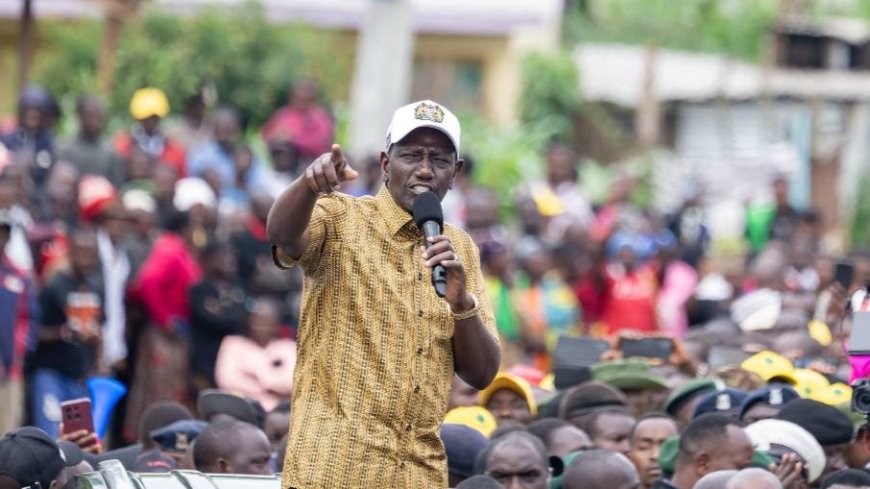
On the other hand, President William Ruto defended the government during his tour in Kisii County, attributing the fuel price surge to global geopolitical tensions, including the Iran conflict.
He maintained that his administration is actively working to cushion Kenyans from the rising costs, noting that prices would have been even higher without government intervention.
"The price of fuel has increased everywhere in the world, but in Kenya, we had planned to ensure that the prices, which would have increased very highly, were moderated. The government has used Ksh6.2 billion to subsidise fuel costs in Kenya. We have also reduced VAT to ensure that we moderate fuel prices, and I want to assure you that my government will do all it can," Ruto stated.
He also defended the government-to-government (G-to-G) fuel import arrangement, crediting it with preventing supply shortages. According to him, the deal has ensured stable supply even as other countries face shortages, making Kenya a relatively competitive fuel market in the region.
"God helped us, and we had the G-to-G plan, which saved us. As I speak to you, some countries do not even have fuel in their petrol stations, but here in Kenya, we do.
"The G-to-G arrangement has made Kenya a very competitive fuel destination. You cannot compare our fuel with our region or other countries; there are countries which do not have fuel, but in Kenya, we have enough," he added.